






Specifying valves, top 3 things to think about
Top 3 things to think about when specifying valves
Contents |
[edit] 1. Consider the end uses
When you are sizing valves, you need to specify enough quantity, and the right size, for the building. So, if it is a hospital, or a leisure centre, then you need to consider how many outlets there will be in the building. But you do not want to oversize the valve, you should base it on the maximum simultaneous flow that is likely, rather than all outlets being used
at once.
[edit] 2. Staging PRVs
PRVs are important valves in many large commercial buildings, but it can be difficult to get the specification and installation correct. This is where PRV staging comes in. On a floor of a commercial building, there will be an initial PRV which will take the mains pressure and reduce it. There might then need to be another PRV further down the system, to reduce the pressure so it can be used at the outlet.
[edit] 3. Preventing backflow
Keeping our water supply sanitary and safe is key for any buildings, but particularly commercial where there will be people coming and going every day. Specifying the right valves is key to this.
see also Specifying valves for large commercial buildings
This is an extract of the article "Your go-to-guide for specifying valves for large commercial buildings" from the AT Journal issue 165, summer 2023. It was written by Eric Winter, EMEA Director of Product Development (Valves), RWC. Pictured above.
--CIAT
[edit] Related articles on Designing Buildings
- Actuator.
- A guide to installing thermostatic mixing valves: what, why and how.
- BSRIA announces 2021 European HVAC field device study.
- BSRIA publishes new edition of BG29.
- BSRIA study: The market for European Field Devices.
- Closed Systems Control Association.
- Control valve.
- Differential pressure control valve.
- Float valve.
- Gasket.
- Mechanical, electrical and plumbing MEP.
- Pipework.
- Pipework defects, ventilation and airflow rates.
- Pressure independent control valves.
- Pressure-relief valve.
- Specifying valves for large commercial buildings.
- Stop valve.
- Tap.
- Thermostatic mixing valve.
- Types of valve.
- Valves.
- Water hammer.
- What makes a good PICV?
Featured articles
Check out some of the best features and news from Designing Buildings as well as key stories from around the web.
Why diversity and inclusion matters for SMEs

CIOB’s D&I Charter shows how practical changes can support long-term growth.
Cut electricity bills to power growth

Coalition sends joint letter to the Chancellor.

Gasholders: a history in pictures. Book review.
Recognition, influence and growth

SocEnv identifies three strategic pillars in new strategy to 2045.
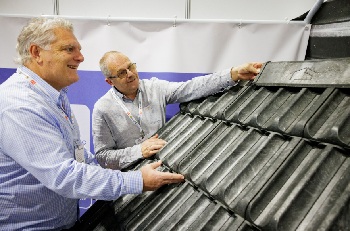
Discover the future of roofing, cladding and insulation.
New guidance for professional practice, cultural change and regulation in social housing.
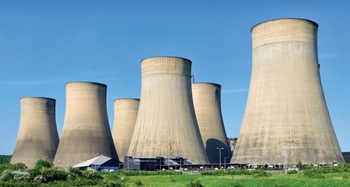
The heritage of nuclear and conventional power stations.
New measures to stop people being ripped off

Government to protect families from cowboy builders and aggressive bailiffs.

New Futurebuild showcase brings an innovation-first approach.
National Planning Policy Framework
Understanding the 2026 changes.
ECA's public affairs priorities

Member consultation opens to shape priorities for 2027 to 2030.

Dutyholder responsibilities from 1 July 2026.